Baton Rouge Contractor Insurance for the Capital Region and Its Growing Parishes
Baton Rouge is Louisiana’s capital and the center of a metro area that keeps spreading. Inside the city, Mid City, the Garden District, and neighborhoods around LSU are full of older homes that need roofs, raised floors, and updated systems, while downtown has added apartments, offices, and state projects along the Mississippi River. Outside the city, growth has been fastest in Prairieville, Gonzales, Denham Springs, Zachary, and Central, where new subdivisions, schools, and shopping centers go up every year.
In August 2016, a slow-moving storm dropped more than two feet of rain on parts of the region, flooding tens of thousands of homes, many outside any mapped flood zone. Rebuilding took years and changed how local builders think about elevation, drainage, and water damage. Baton Rouge’s contractors today include production builders, remodelers, roofers, licensed plumbing, HVAC, and electrical companies, and flooring, drywall, and paint crews. Most work across East Baton Rouge, Ascension, and Livingston parishes, and they rely on state licenses that now come with higher insurance requirements.

Baton Rouge Coverage for Licensing, Floods and Growth
Louisiana’s new $500,000 liability minimum for residential and home improvement contractors took effect August 1, 2026, and capital-region contractors are updating their programs to match. PBIB grew out of the construction trades, and we place Baton Rouge contractors with A-rated carriers in standard and non-admitted markets. We write general liability that meets the LSLBC minimum, covers every licensed scope, and lists the board as certificate holder. We keep workers’ compensation continuously active and insure crews and trucks on commercial auto for the drive between parishes. Builders in growing suburbs usually need builder’s risk with flood terms reviewed, and larger projects add excess liability. Programs can also include tools and equipment coverage and license bonds.
- General liability: Confirm your policy describes the flood-repair, remodeling, roofing, or residential building operations you actually perform.
- LSLBC documentation: Review the insurance certificate, licensed classifications, and applicable liability limits before renewal or new bids.
- Workers’ compensation: Check employee coverage and payroll estimates when adding crews in East Baton Rouge, Ascension, or Livingston Parish.
- Commercial auto: Verify that work trucks, service vans, and regular drivers are correctly scheduled for trips between parishes.
- Completed operations: Review protection for eligible third-party claims discovered after a roof, plumbing, or renovation job is finished.
- Builder’s risk: Clarify who insures a home under construction and whether flood, wind, and stored materials require endorsements.
- Tools and equipment: Review coverage for portable machinery and equipment moved among subdivision, renovation, and storm-repair sites.
- Excess liability and bonds: Compare higher-limit requests and any bid, performance, or payment bonds before accepting public contracts.
Baton Rouge Projects and Their Insurance Needs
Flood Rebuilds and Elevations
Homes damaged in past floods are still being raised, rebuilt, or remodeled. Contractors should review water damage, mold, and existing-damage exclusions carefully.
New Subdivisions in Ascension and Livingston
Production builders and their subcontractors need completed-operations coverage, builder’s risk, and certificates for every sub.
Roof Replacements After Storms
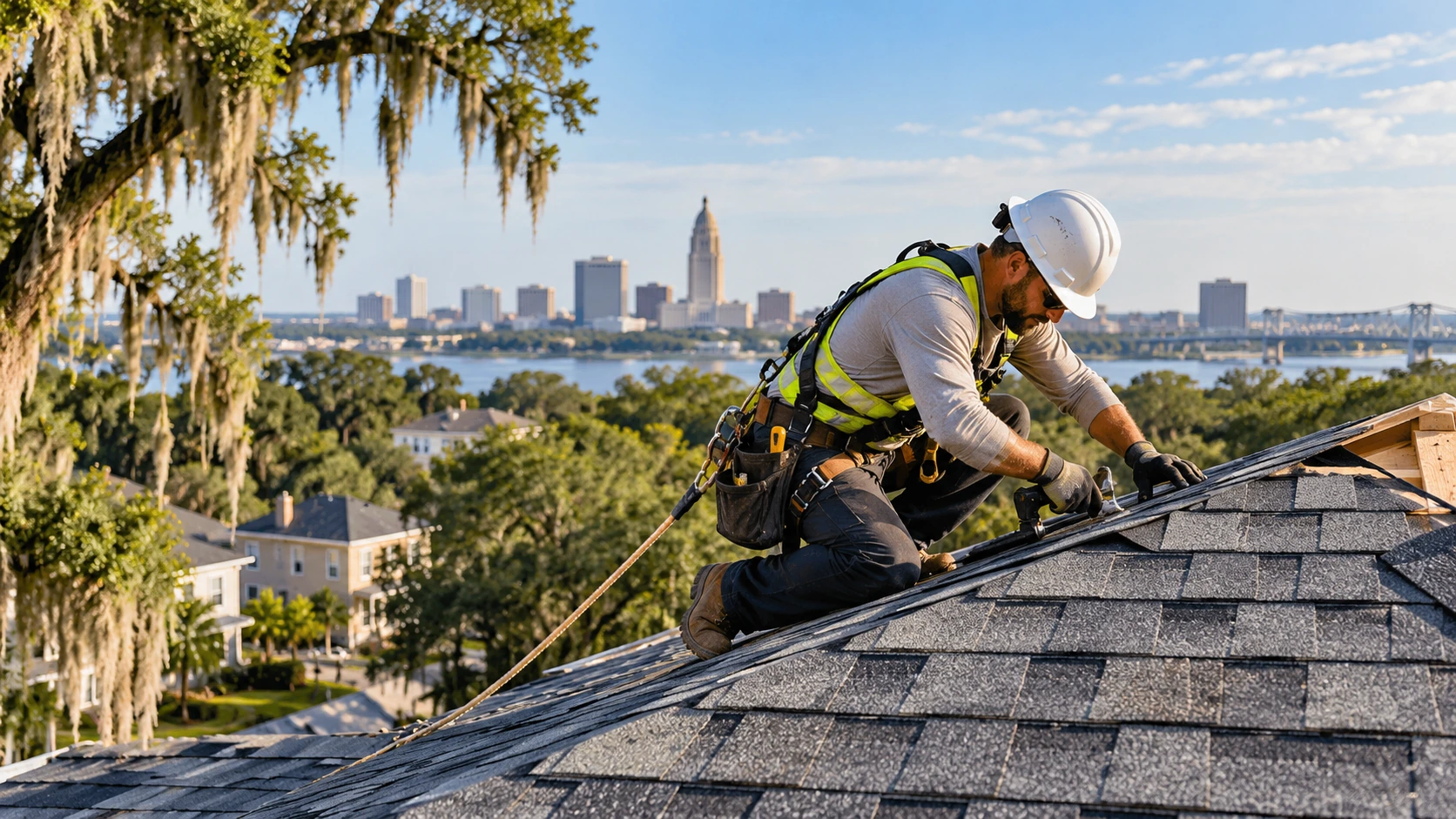
Hurricanes and summer storms bring regular roof damage. Roofing contractor insurance must meet the residential roofing license rules and the $500,000 liability minimum.
LSU-Area and Mid City Renovations
Older homes and rentals near campus need updated wiring, plumbing, and cooling systems, often while tenants live there.
Licensed Mechanical, Plumbing, and Electrical Work
HVAC, plumbing, and electrical contractors need the right state licenses and steady certificates for builders and commercial owners.
Finish Trades
Flooring, drywall, cabinet, and paint crews finish both new homes and flood rebuilds. See our artisan trade insurance page.
Baton Rouge and Louisiana Requirements by Trade
| Trade | License or registration | Insurance or bond rule | What owners and builders expect |
|---|---|---|---|
| Residential builder | LSLBC residential license for projects over $50,000 | $500,000 liability and workers’ comp | Builder’s risk with flood terms reviewed |
| Remodeler | LSLBC home improvement license for $7,500 or more | $500,000 liability and workers’ comp | Coverage for occupied homes |
| Residential roofing | Residential Roofing or Residential Construction classification for $7,500 or more | $500,000 liability and workers’ comp | Completed-operations coverage |
| Commercial contractor | LSLBC commercial license for $50,000 or more | Workers’ comp and contract-required limits | Additional insured on state projects |
| Plumbing | Louisiana State Plumbing Board license; LSLBC classification above $10,000 on commercial jobs | Owner and permit liability requirements | Water damage coverage |
| Electrical and HVAC | LSLBC classification for commercial jobs over $10,000; parish licensing | Liability required by owners and permits | Business auto for service vans |
Why Baton Rouge Contractors Choose PBIB
LSLBC Compliance Made Simple
The new $500,000 minimum comes with strict certificate rules: the board as certificate holder, at least six months of coverage, and no exclusions for licensed scopes. We set up each certificate to meet those rules, send it correctly, and keep coverage continuous, so your license stays in good standing without extra trips or calls.
Flood-Aware Coverage
Many 2016 flood claims came from homes outside mapped flood zones, and contractors learned how water can complicate a job. We review builder’s risk flood terms, water damage exclusions, and equipment coverage so you know how your policy responds before heavy rain hits a project in progress. Ascension and Livingston parish jobs get the same review.
Built for Suburban Growth
Builders and subs in Prairieville, Gonzales, and Denham Springs move quickly between lots and parishes. We keep additional insured and completed-operations wording ready, add trucks as your crews grow, and update payroll estimates so your audit stays predictable. When a builder opens a new phase, we can usually turn certificates around the same week, keeping your crews on schedule as subdivisions grow.
A Brokerage Started by Tradespeople
PBIB’s founders came out of construction, so we understand builder contracts, back charges, and audits. We compare several carriers, explain coverage in plain words, and stay involved when a claim comes in or a state agency needs proof of insurance before a preconstruction meeting. That includes jobs for LSU and parish government.
Baton Rouge Contractor Insurance FAQs
Do Baton Rouge roofers need commercial auto?
Roofing crews hauling shingles, ladders, and trailers between parishes should insure their trucks on a business auto policy, not a personal one.
What bond does a Baton Rouge home builder need?
Private builds rarely require bonds, but state, parish, and school projects require performance and payment bonds, and some permits call for smaller bonds.
Does an HVAC contractor in Baton Rouge need excess liability?
State buildings, hospitals, and larger commercial projects often require $2 million or more in total limits, which usually means adding an umbrella.
Do Baton Rouge plumbing companies need workers’ comp?
Yes, if they have employees. Louisiana requires coverage for employers, and builders and commercial owners check for it before work begins.
What does general liability cover for an electrician in Baton Rouge?
It can pay for fire, property damage, and injuries caused by your electrical work. It does not cover your own tools or the cost to redo the wiring.
Can flooring and drywall crews in Baton Rouge insure their tools?
Yes. A tools and equipment policy can cover saws, lifts, and other equipment stolen or damaged on a job, subject to its terms.
How much general liability does LSLBC require?
Residential, home improvement, and mold remediation contractors must carry at least $500,000. Commercial contractors usually follow the limits in their contracts.
Do Louisiana contractors need workers’ comp to keep a license?
The licensing board expects residential and home improvement contractors to keep workers’ comp in force for as long as the license stays active.
Do Baton Rouge contractors need commercial auto for every truck?
Every truck used mainly for work, or that carries crews and materials, belongs on a business auto policy. Unlisted vehicles can leave a gap.
What umbrella limits do Baton Rouge owners require?
State agencies, LSU, hospitals, and developers often require $2 million to $5 million in total limits.
Is equipment covered if a job site floods?
Tools and equipment coverage may limit or exclude flood. Check the policy’s covered causes of loss before storing gear in low areas.
What bonds do Baton Rouge contractors need?
Public and state projects require performance and payment bonds, and some permits call for smaller bonds.
Get a Baton Rouge Contractor Insurance Quote
Updating your LSLBC certificate or adding crews? Call (877) 893-7629, email insure@pbibinc.com, or ask PBIB for a Baton Rouge quote. Explore performance and payment bonds or see our Louisiana contractor insurance page.