Fairbanks Contractor Insurance for Extreme Cold, Permafrost, and Short Seasons
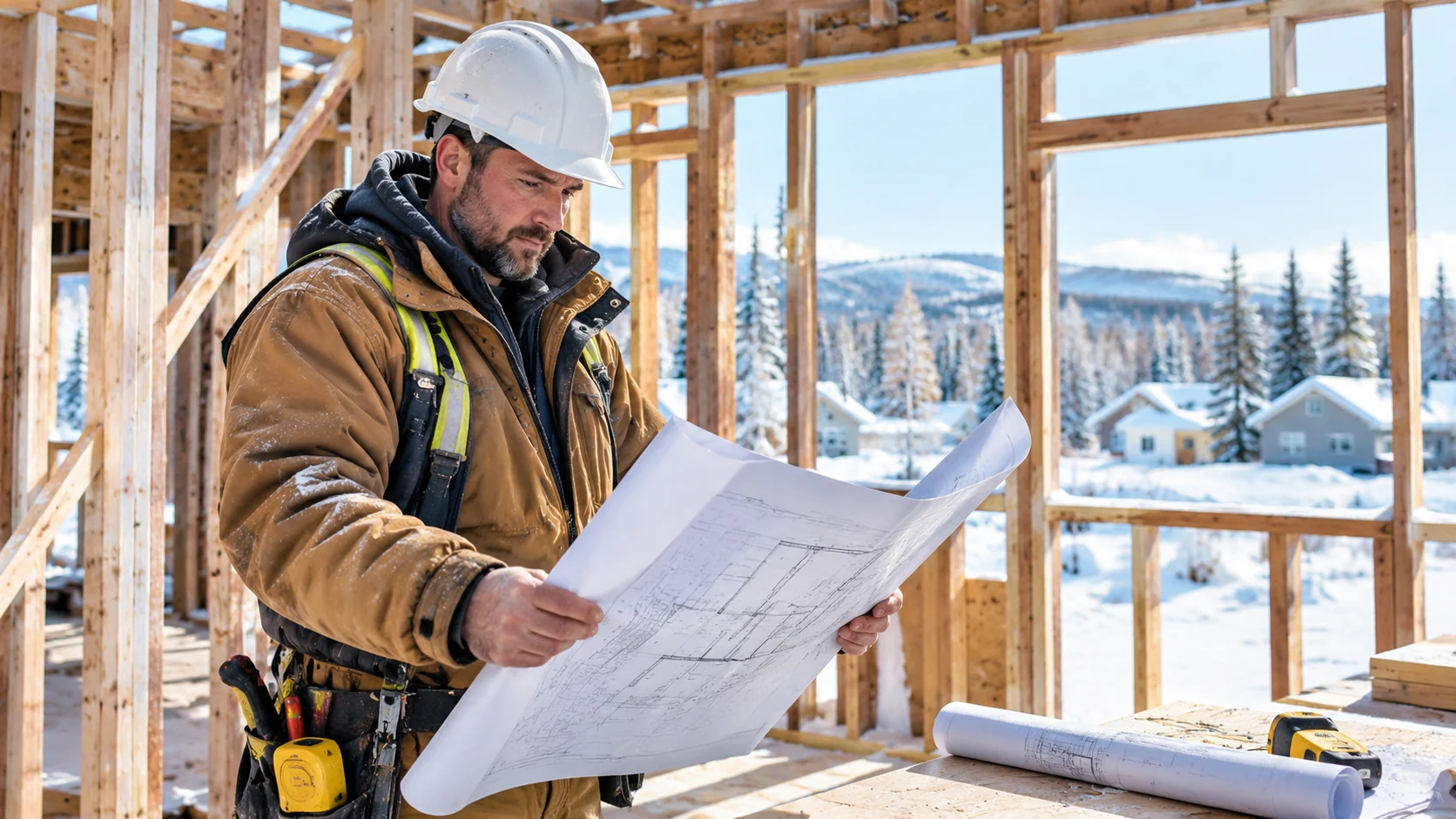
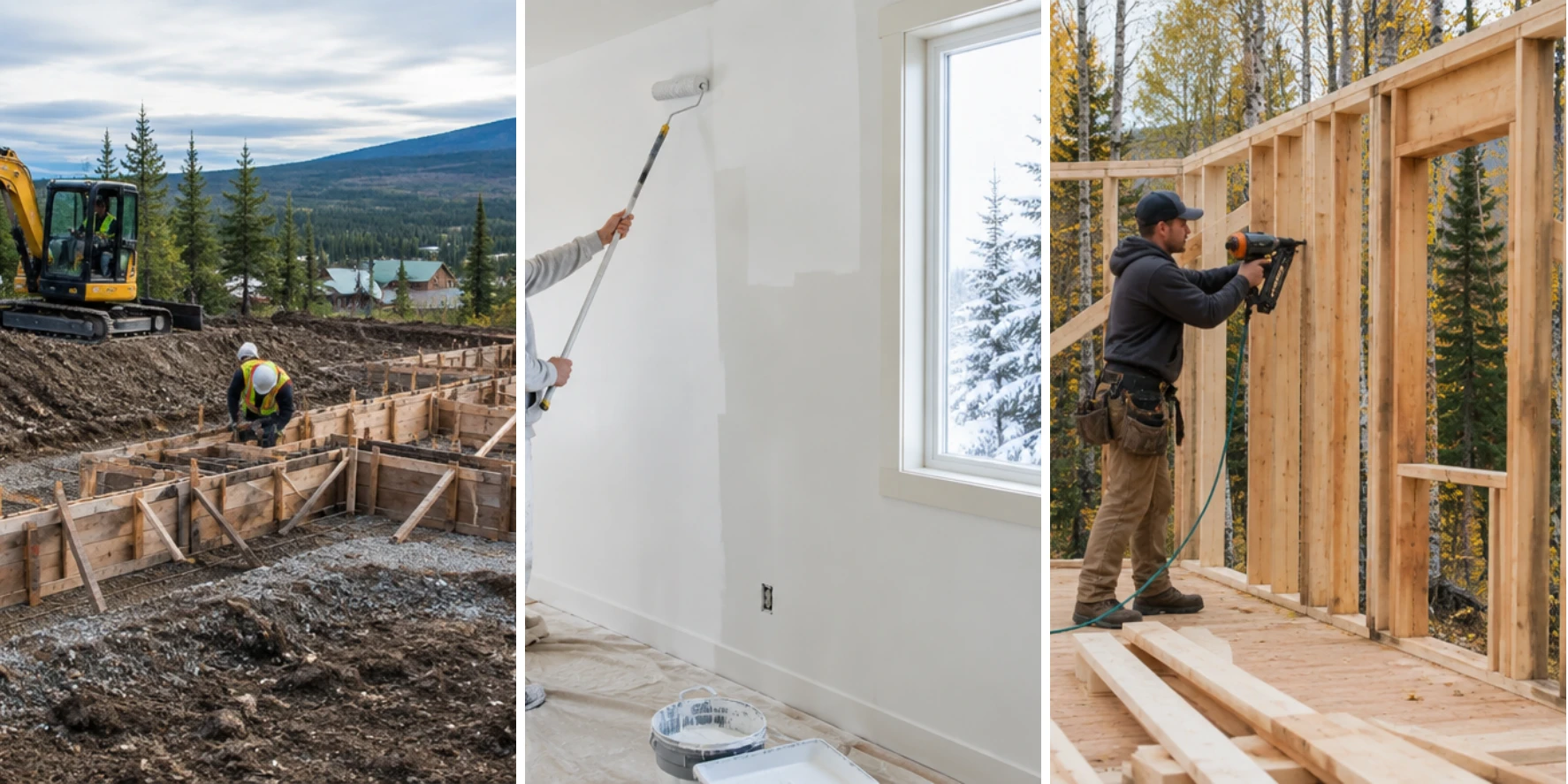
Fairbanks builds under conditions few other U.S. cities share. Winter design temperatures fall to around -47°F, permafrost runs under much of the Tanana Valley, and the building season is squeezed into a few warm months. Homes in Fairbanks, North Pole, Ester, and the surrounding hills must be designed to handle frozen ground, heavy heating loads, and long periods of darkness, and the work does not stop when the snow arrives in early fall.
The contractors who thrive here are generalists by necessity. A small residential builder may also do foundation re-leveling, wood stove installs, and roof repairs. Heating and plumbing contractors spend winter on emergency calls for frozen pipes, failed boilers, and oil furnaces, while electricians handle engine block heater circuits and generator connections. Much of the work happens in rural areas outside city limits, where there are no building inspections and the contractor’s own standards are the main safeguard.
Insurance Options for Fairbanks Contractors
Alaska requires every registered contractor to carry a bond and minimum general liability insurance, but working in the Interior brings risks beyond those minimums. PBIB is an independent brokerage founded by former contractors, and we help Fairbanks contractors build coverage around the conditions they face. We understand that contractors working in Interior Alaska face coverage challenges that are different from those in warmer regions. Our construction background helps us review insurance needs for seasonal operations, heating system repairs, and projects in remote locations. We also help contractors understand policy limitations and choose coverage that reflects the work they perform throughout the year.
General liability with completed-operations coverage
Workers’ compensation from the first employee
Commercial auto for winter and rural driving
Excess and umbrella liability
Tools and equipment coverage
State contractor bonds and project bonds
Cold-Climate Risks Fairbanks Contractors Should Insure
Frozen Pipes and Heating Failures
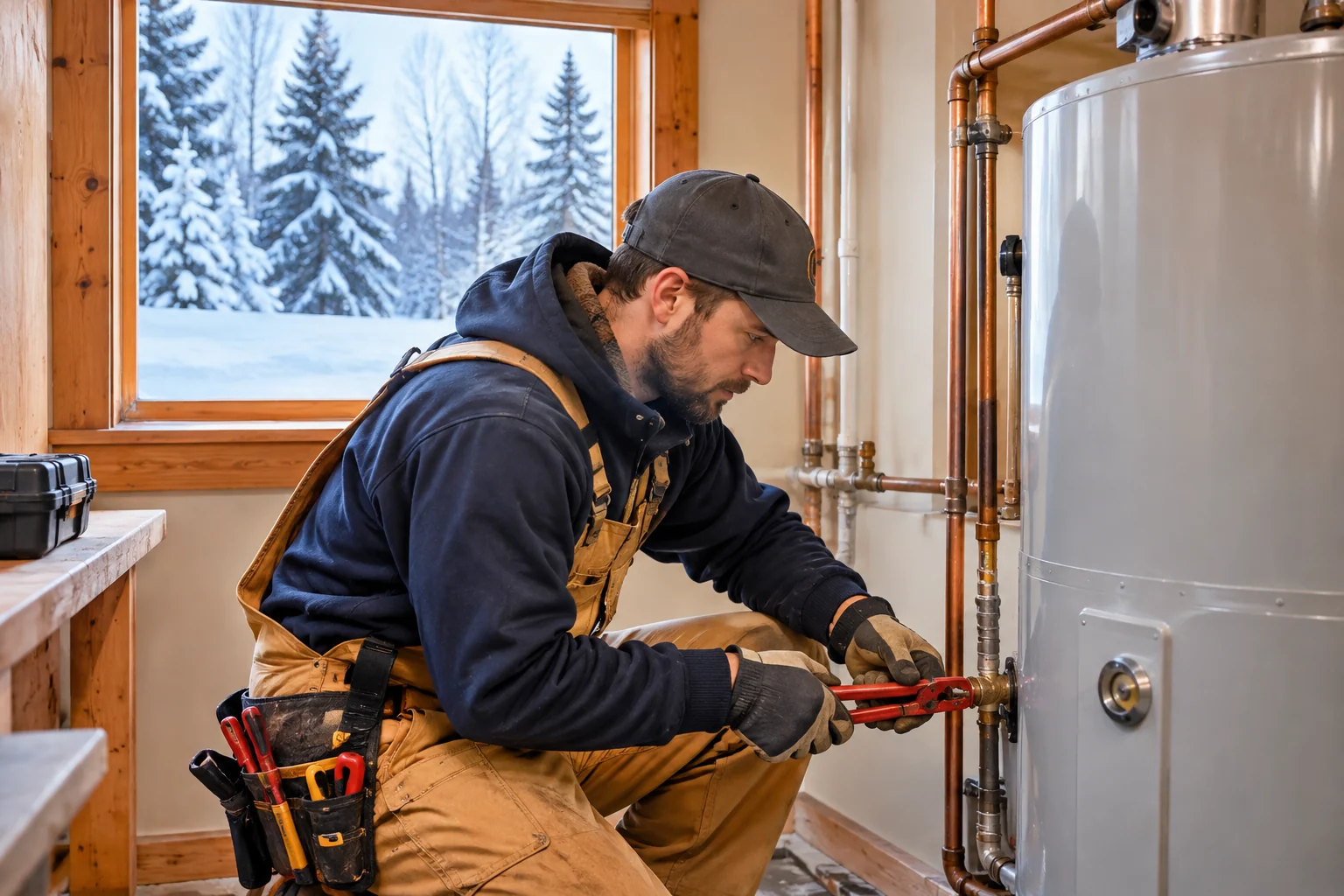
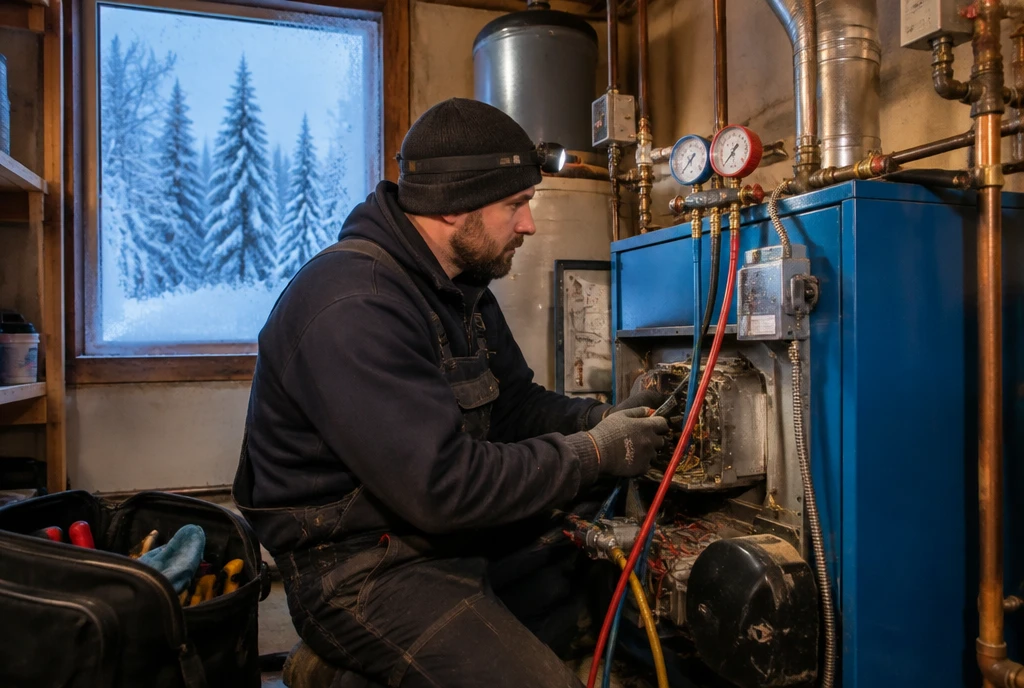
When a heating system fails at -30°F, pipes can freeze and burst within hours. Plumbing and heating contractors may face property damage claims if a system they installed or serviced fails. General liability with completed-operations coverage is essential for these trades.
Permafrost and Foundation Movement
Heating a building on ice-rich permafrost can thaw the ground beneath it, causing settlement, cracking, and structural damage. Builders and foundation contractors should understand their liability exposure for ground movement and review policy exclusions carefully, since some policies limit coverage for earth movement.
Fire Risk From Wood Stoves and Heating Systems
Many Fairbanks homes rely on wood stoves, oil furnaces, and boilers. Contractors who install or service these systems face fire risk if something goes wrong. Heating contractors should carry general liability with adequate limits and consider excess liability.
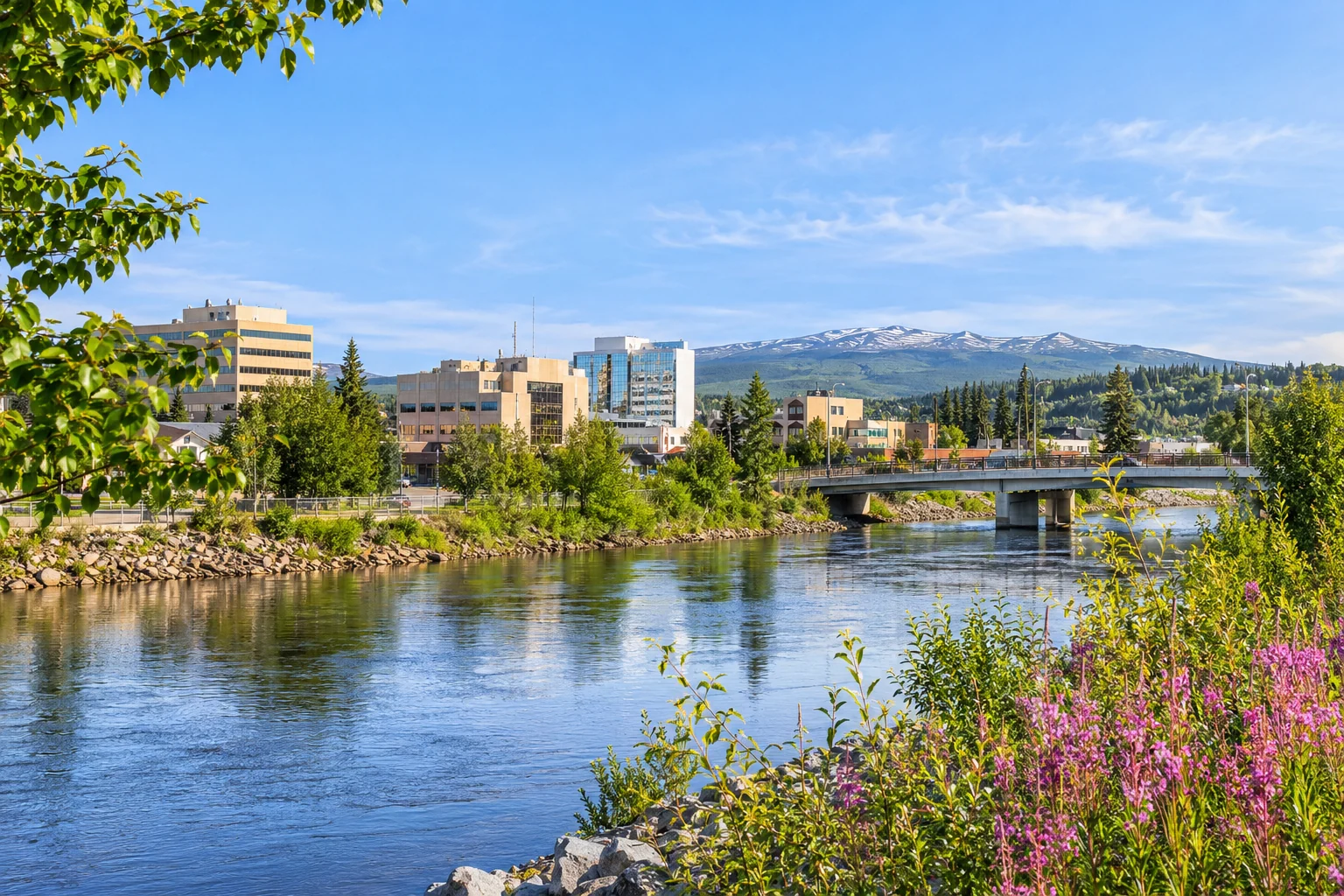
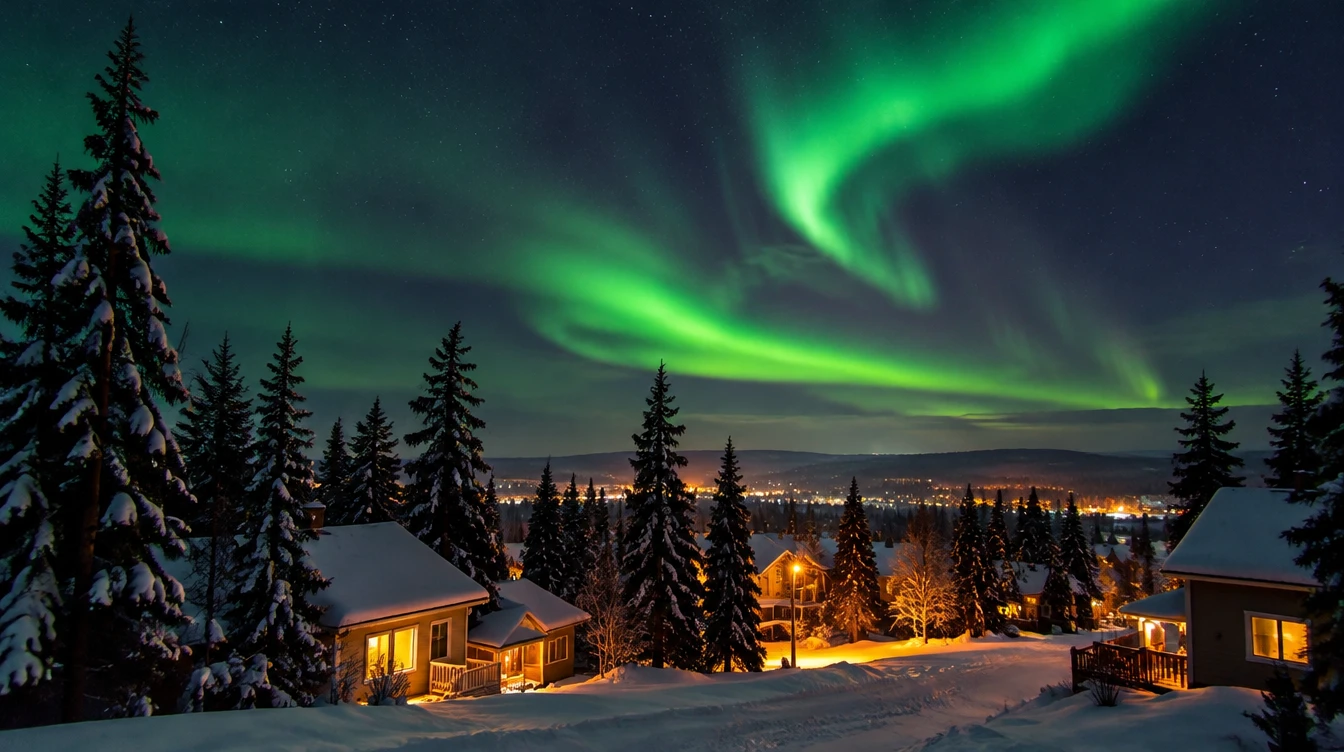 Fairbanks, Alaska
Winter Driving and Rural Roads
Fairbanks contractors often drive long distances on icy roads to reach rural job sites. Commercial auto insurance helps cover accidents in business vehicles, and contractors should make sure every truck and driver is listed on the policy.
Equipment Losses in the Cold
Extreme cold can damage tools, batteries, and equipment, and tools left in remote locations are easy targets for theft. Tools and equipment insurance may help cover eligible losses, depending on the policy.
Injuries During a Compressed Season
The short building season means long days and fast schedules, which can increase injury risk. Even a crew hired just for the summer must be covered, because Alaska’s workers’ compensation law applies from the first employee.
Building Inside vs. Outside Fairbanks City Limits
| Inside City of Fairbanks | Outside city limits in the Borough | |
|---|---|---|
| Building permit | Required | No borough building permit for dwellings |
| Local building code | Enforced | No borough building code |
| Other permits | Varies by project | Driveway, septic, zoning, and floodplain permits may apply |
| Lender inspections | Often required | Often required for AHFC financing |
| Contractor’s role | Code compliance is inspected | Contractor’s own standards carry more weight |
Even where no permit is required, lenders and future buyers may expect proof that a home was built to standards, and claims about defective work can still be filed.
Why Fairbanks Contractors Choose PBIB
Construction Experience
Our team comes from construction, so we understand the challenges of building in harsh conditions.
Coverage Beyond the Minimums
We help you carry the limits your contracts and your risks actually require.
Multiple Carrier Options
As an independent broker, we compare A-rated carriers to find coverage for your trade.
Help Preparing for Winter
We help you review your coverage before the busy winter service season.
Fairbanks Contractor Insurance FAQs
What insurance does a roofing contractor need in Fairbanks, Alaska?
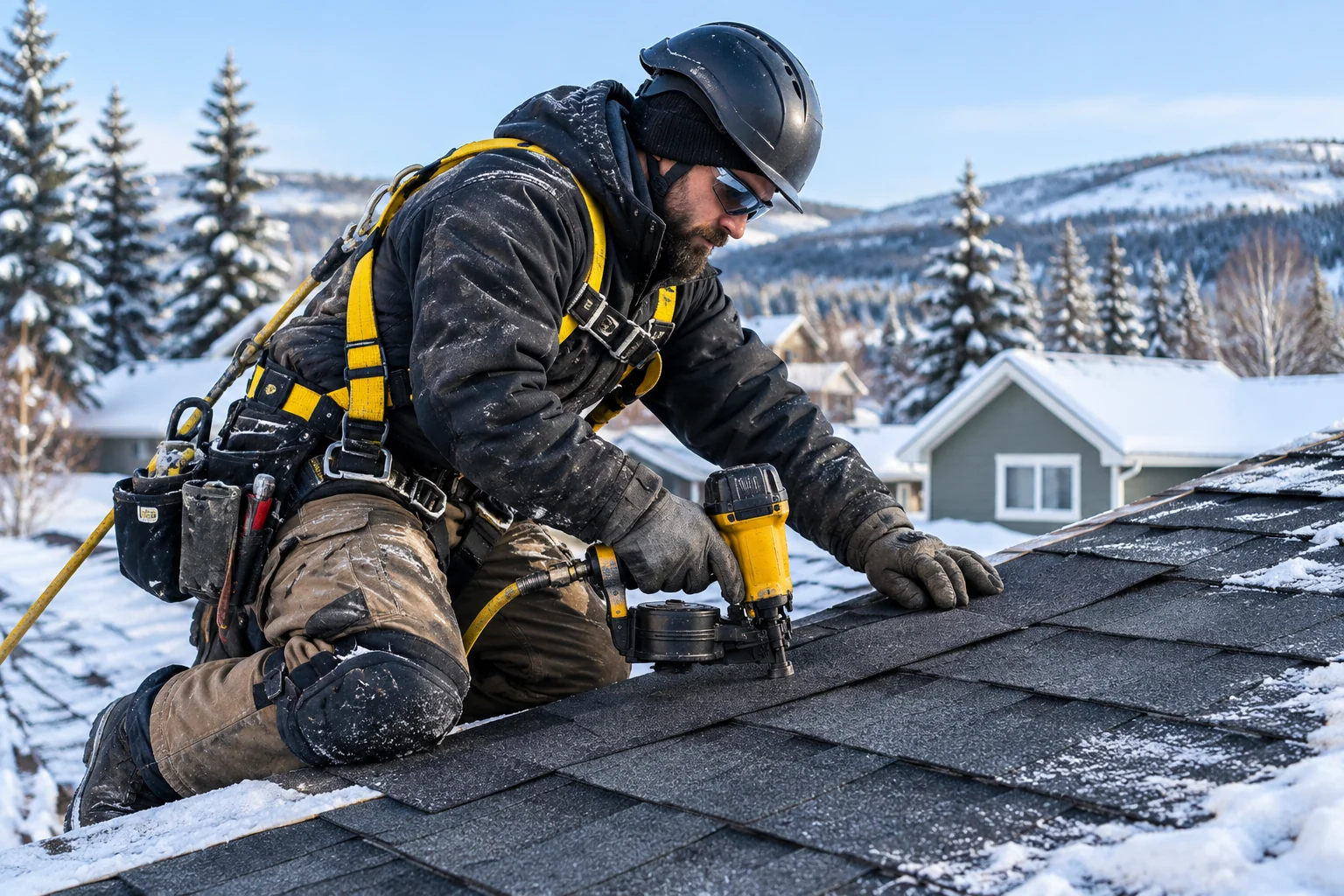
Roofing contractors typically consider general liability, workers’ compensation for employees, commercial auto for work vehicles, and tools coverage. In Fairbanks, heavy snow loads, ice dams, and roofing work in extreme cold make it especially important to review water-damage exclusions, completed-operations coverage, and contract limits.
What insurance should a general contractor carry in Fairbanks, AK?
General contractors commonly combine general liability, workers’ compensation when they employ workers, commercial auto, and coverage for tools. For homes built on permafrost or outside city limits where no building inspections apply, they should also review completed-operations protection, earth-movement exclusions, subcontractor certificates, and any builder’s risk requirements.
Does a heating contractor in Fairbanks need liability insurance?
Heating contractors who install or service wood stoves, oil furnaces, and boilers should consider general liability with completed-operations protection for third-party damage linked to their work. A heating failure at -30°F can lead to fire or freeze damage claims, so confirm that the policy accurately describes installation, repair, and service operations.
Will plumbing contractor insurance in Fairbanks cover frozen or burst pipes?
General liability may respond to resulting damage to a customer’s property if a freeze-up or burst pipe stems from covered plumbing work. Replacing the defective work itself may not be covered. For winter emergency calls and freeze-related repairs, check completed-operations terms, exclusions, and the cause of the damage.
What insurance does an electrical contractor need in Fairbanks, Alaska?
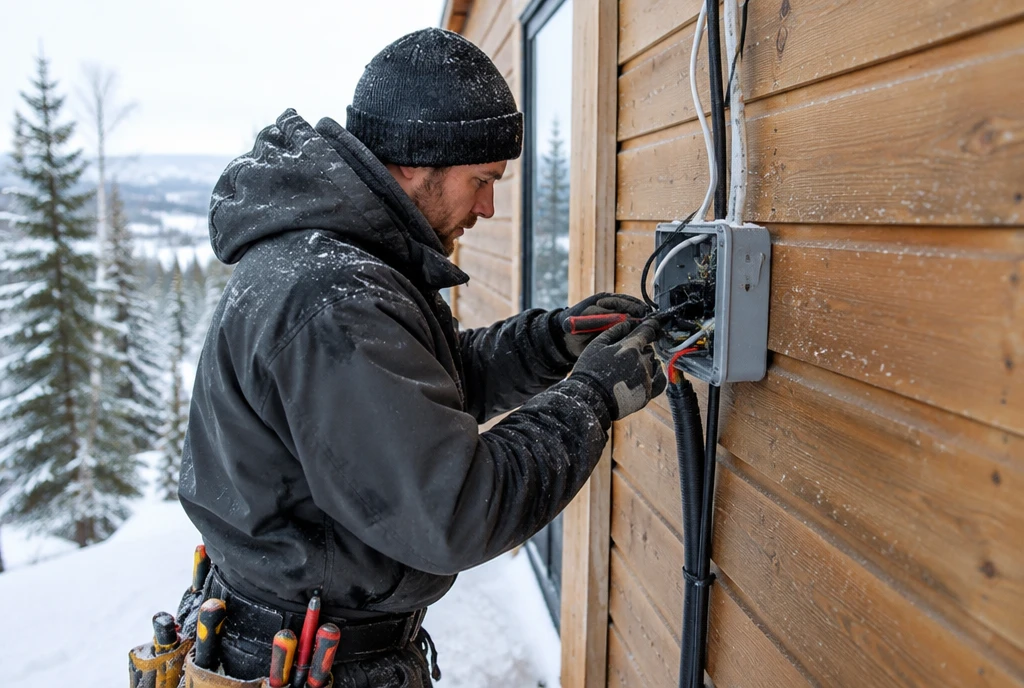
Electrical contractors often carry general liability, workers’ compensation for employees, commercial auto, and tools coverage. Work involving engine block heater circuits, generator connections, and heating-equipment wiring warrants close attention to completed-operations claims, fire-related liability, and any insurance limits required by the project owner.
Do painters, carpenters, and other artisan contractors in Fairbanks need insurance?
Artisan contractors should consider general liability for covered third-party damage, workers’ compensation where they have employees, and tools insurance. For interior finish work during long winters and exterior work packed into the short summer season, the policy should reflect the exact trades performed, including any exclusions for subcontracted or specialty work.
How much does contractor general liability insurance cost in Fairbanks, AK?
Premiums depend on trade classification, annual sales, payroll, claims history, subcontractor use, and policy limits. Roofing, heating, and foundation work may cost more than interior finishing. PBIB can compare quotes using the contractor’s actual work and contract requirements; no single rate fits every business.
Is workers’ compensation required for contractors with one employee in Fairbanks?
Generally, yes. Alaska requires employers with one or more employees to obtain workers’ compensation insurance or qualify for approved self-insurance, and that includes workers hired only for the summer building season. Certain owners and workers have statutory exceptions, but employing a family member does not automatically create an exemption.
Do Fairbanks contractors need commercial auto insurance for work trucks?
Business-owned trucks and vans generally need a policy suited to commercial use. With long drives on icy roads to North Pole, Ester, and rural job sites, contractors should review vehicle liability, driver listings, and coverage for trailers. A vehicle policy usually does not replace separate protection for tools carried inside.
When does a Fairbanks contractor need excess or umbrella liability insurance?
Excess or umbrella liability can provide additional limits when a property owner or general contractor requires more than the underlying policy offers, or when heating and fire exposures call for higher limits. Eligibility and what is covered depend on policy terms, underlying limits, and exclusions; it does not automatically cover every uncovered loss.
Are tools stolen from a Fairbanks jobsite covered by general liability insurance?
General liability generally does not insure the contractor’s own tools. Tools and equipment coverage may cover eligible theft or accidental damage, including equipment left at remote job sites, subject to security conditions, limits, deductibles, and exclusions. Gradual deterioration and some cold-related wear may not be covered.
What Alaska contractor bond is required for work in Fairbanks?
Alaska’s state contractor bond depends on registration: generally $25,000 for general contractors, $20,000 for residential-endorsed general contractors working exclusively on residential projects, $10,000 for specialty or mechanical contractors, and $5,000 for handyman contractors. Bid, performance, or payment bonds may also be required by a project.
Get a Fairbanks Contractor Insurance Quote
Get your coverage sorted before the first deep freeze. Call PBIB at (877) 893-7629, email insure@pbibinc.com, or request a quote. Statewide details are on our Alaska contractor insurance page.