Fayetteville Contractor Insurance for Hillside Homes, Rentals & a Growing NWA
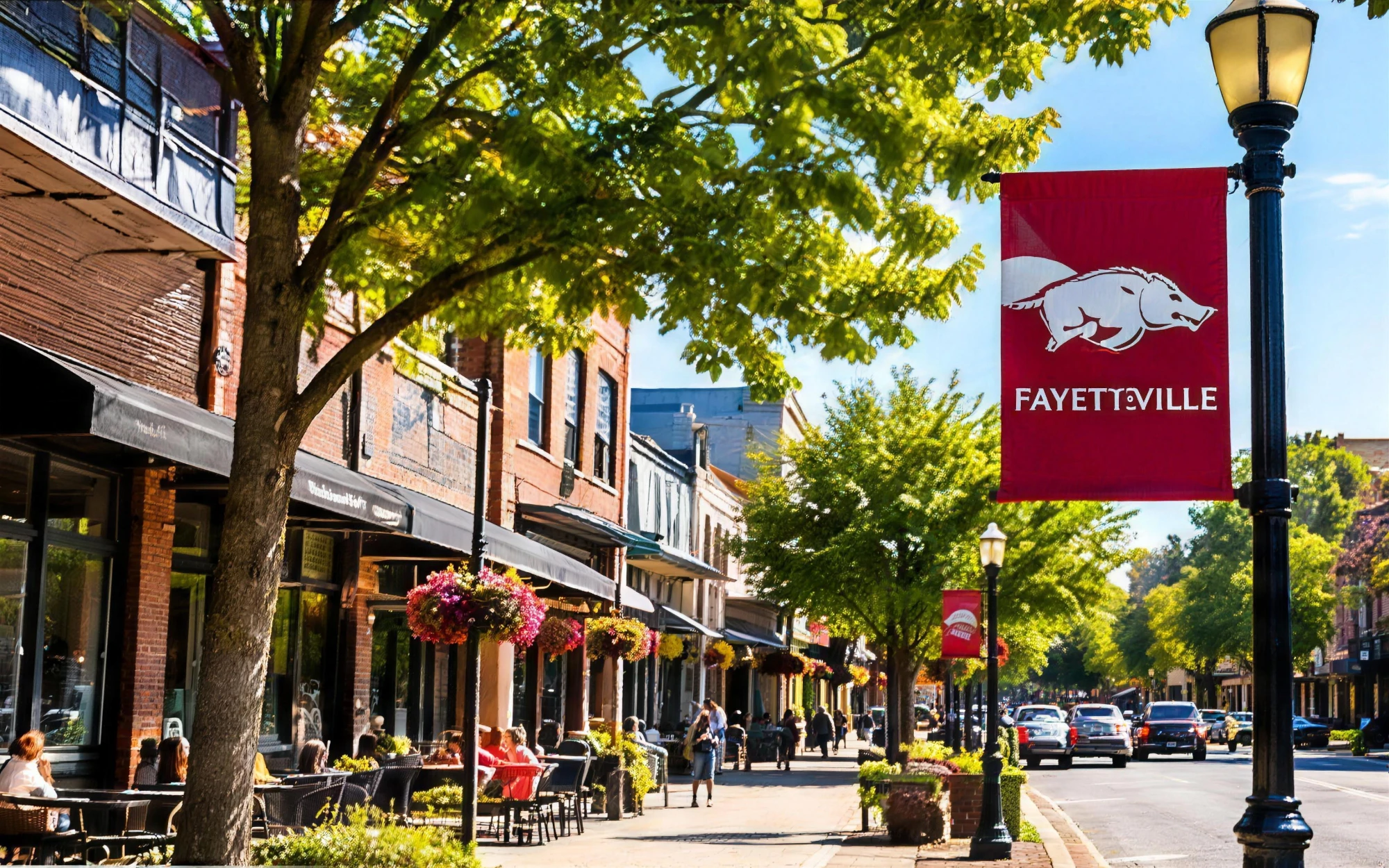
Fayetteville is home to the University of Arkansas and sits on some of the steepest ground in Northwest Arkansas. Homes climb the slopes of Mount Sequoyah and the hills around Wilson Park, while new neighborhoods spread west and north toward Farmington and Springdale. The wider Fayetteville-Springdale-Rogers metro added about 40 new residents a day between 2024 and 2025, ranking ninth in the country for growth and up more than 41% since 2010. That pace keeps builders, remodelers, and trade contractors booked well in advance.
The work here has its own personality. A large share of it is student and young-professional housing, from duplexes and townhomes to older houses near Dickson Street being turned into rentals. Remodelers deal with tight lots, sloped driveways, and grading and erosion rules on hillside sites, and the city’s tree preservation code can shape how a project is laid out. Fayetteville’s contractors are often small, design-minded firms and skilled tradespeople who value long relationships with landlords, property managers, and repeat homeowners over one-off jobs.
Coverage for Fayetteville’s Builders and Trade Contractors
Fayetteville contractors usually need several policies to satisfy landlords, property managers, lenders, and builders. PBIB, an independent brokerage founded by former contractors, compares A-rated carriers to put together coverage that fits your trade and growth plans. Many of our Fayetteville clients are in a growth phase, moving from handyman-sized jobs to licensed residential work or adding their first employees as Northwest Arkansas keeps expanding. We help you plan for those changes so your coverage keeps up instead of falling behind. We also understand that rental turnover work, hillside builds, and university-area projects carry different risks, and we look for policies that match the jobs you actually take.
How coverage usually grows with a Fayetteville contracting business:
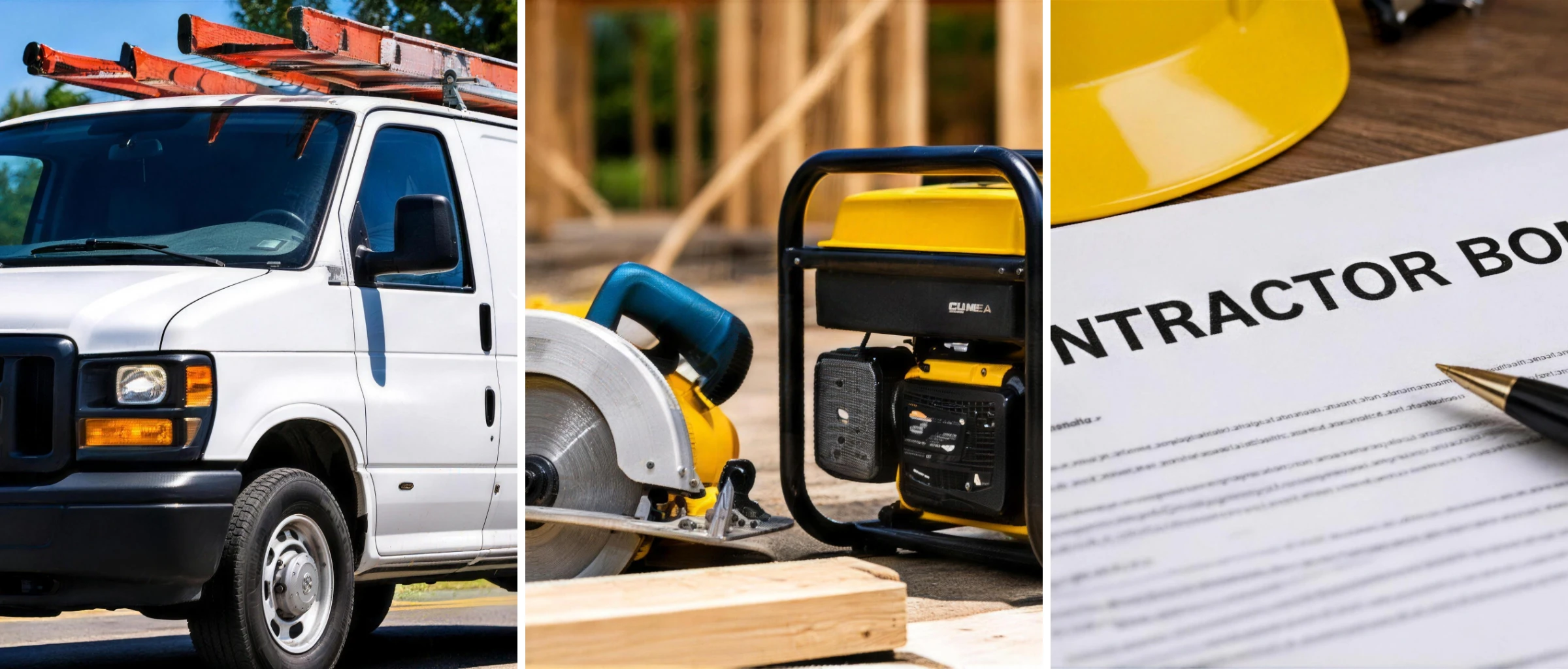
- Starting out: general liability and tools and equipment coverage
- First work truck: commercial auto insurance for business vehicles
- Second and third hire: workers’ compensation, since Arkansas requires it at two employees for building trades
- First apartment or commercial job: excess liability to meet higher limits
- Public or larger private contracts: license and project bonds


Fayetteville Contractor Insurance by Trade
 Fayetteville, Arkansas
Roofing Contractors
Steep pitches on hillside homes and severe spring storms make roofing one of the riskiest trades in Fayetteville. Residential roofing jobs over $2,000 fall under Arkansas residential licensing rules. Roofing contractor insurance usually includes general liability, workers’ comp, commercial auto, and tools coverage.
General Contractors and Home Builders
Builders in Fayetteville juggle grading permits, erosion control, inspections, and subcontractor schedules. Residential work over $2,000 requires an Arkansas residential license, while commercial work of $50,000 or more requires a commercial license. Builders often carry general liability, workers’ comp, and builder’s risk insurance for homes under construction.
HVAC Contractors
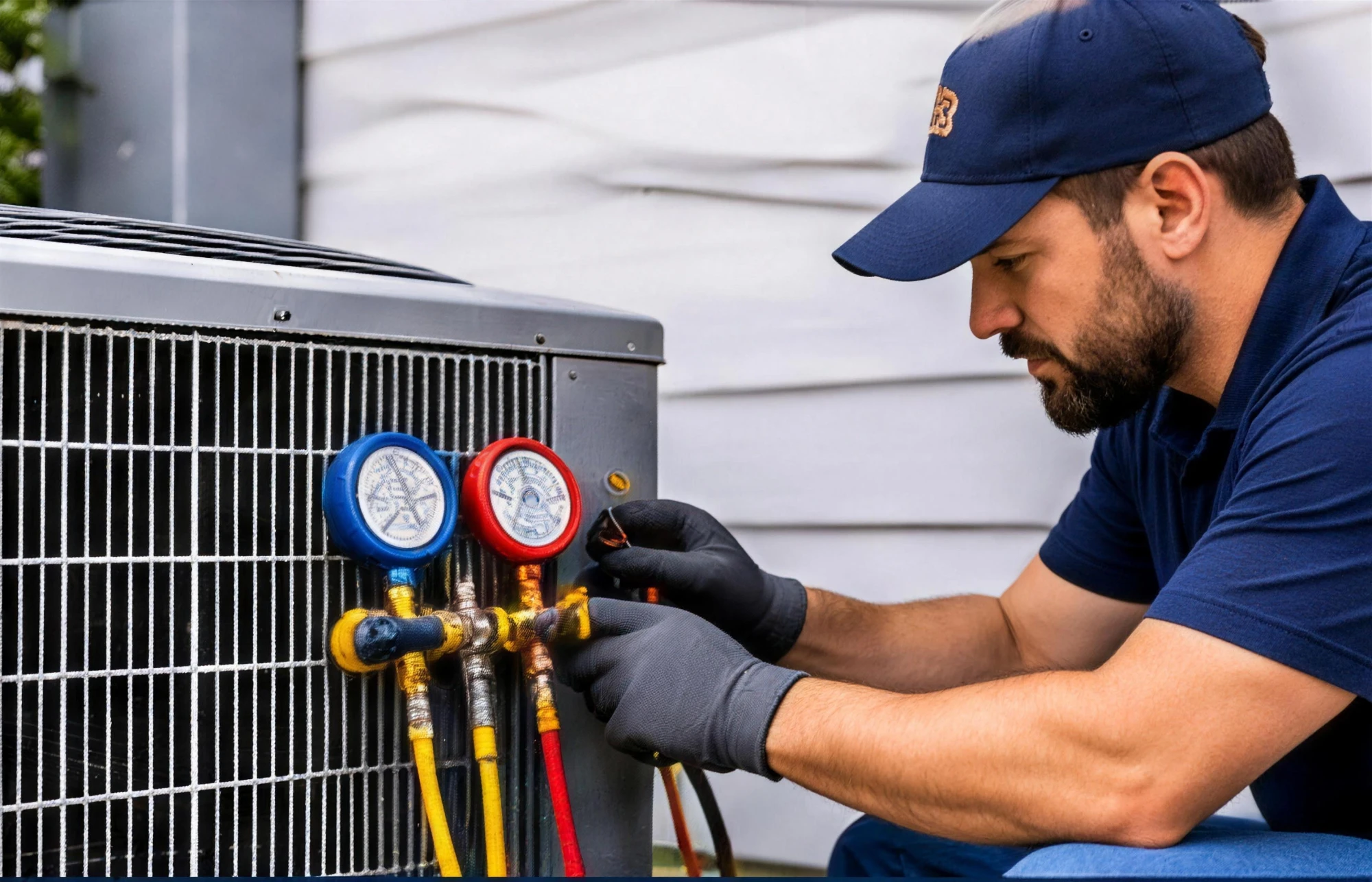
HVAC companies in Fayetteville replace older systems in rentals and install new equipment in townhomes and custom homes. Licensed through the state HVACR program, they need HVAC contractor insurance with general liability, workers’ comp, and coverage for service vans.
Plumbing Contractors
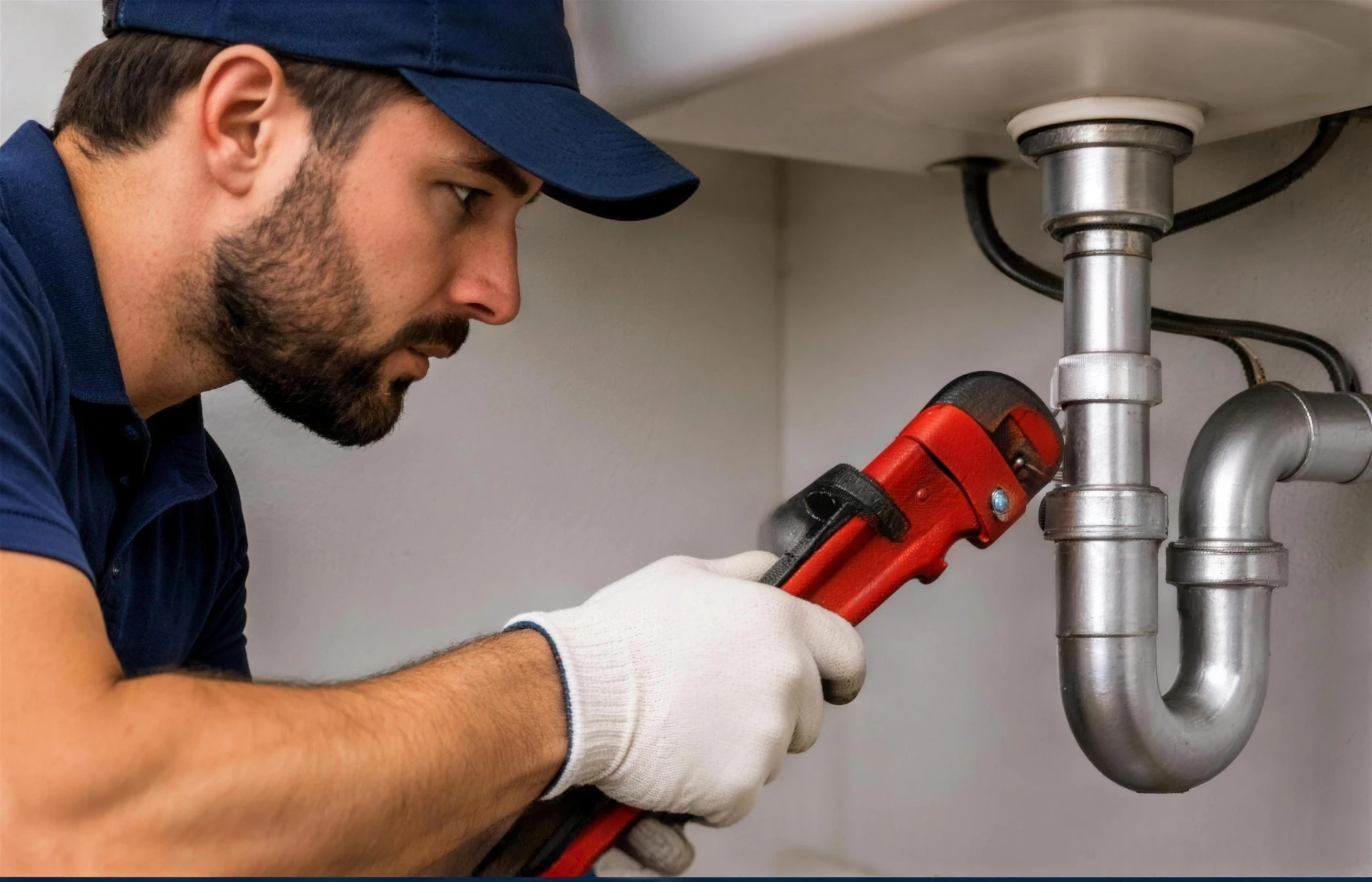
Plumbers working in older homes near campus often find aging pipes and tight crawlspaces. Licensed through the Arkansas Department of Health, they should carry plumbing contractor insurance with completed-operations coverage under general liability.
Electrical Contractors
Electricians licensed by the Arkansas Board of Electrical Examiners handle panel upgrades, EV chargers, and rewiring in older rentals. Electrical contractor insurance typically includes general liability, workers’ comp, commercial auto, and equipment coverage.
Artisan Contractors
Painters, flooring installers, cabinet makers, and trim carpenters do a large share of the rental turnover and remodeling work in Fayetteville. Most need general liability, tools coverage, and workers’ comp once they hire help. Explore artisan trade insurance.
Northwest Arkansas Growth and What It Means for Coverage
| Growth trend | What contractors see | Coverage to review |
|---|---|---|
| About 40 new residents a day in the metro | Full schedules and more subcontracting | Subcontractor certificates, workers’ comp audits |
| 41% growth since 2010 | More new homes and apartments | Builder’s risk, excess liability |
| Hillside and infill lots | Grading, erosion control, and tree rules | General liability, property damage exclusions |
| Student and rental housing | Fast turnover work in occupied units | General liability, tools coverage |
Why Fayetteville Contractors Choose PBIB

Coverage That Grows With You
As your business adds trucks, workers, and bigger jobs, we help you adjust coverage before gaps appear.
Construction Experience
We worked in the trades before becoming brokers, so we understand jobsite risks and subcontractor agreements.
Landlord and Property Manager Requirements
We help you meet the certificate and additional insured requests that rental owners and managers send before turnover season.
Independent Options
Because we are not tied to one insurer, we can shop your coverage across several carriers.
Fayetteville Contractor Insurance FAQs
What insurance does a roofing contractor need in Fayetteville, AR?
Roofers generally consider general liability with completed-operations coverage, workers’ compensation when required, commercial auto for work vehicles, and tools coverage. Fayetteville hillside roofs and storm repairs make it especially important to review fall exposures and water-intrusion exclusions.
What insurance should a Fayetteville general contractor carry for student rental renovations?
General liability, workers’ compensation when applicable, commercial auto, and tools or builder’s risk coverage may be appropriate. If you hire subcontractors, check their certificates and any additional insured requirements from landlords or property managers.
How much does HVAC contractor insurance cost in Fayetteville, Arkansas?
Premiums depend on HVAC service and installation operations, revenue, payroll, technicians, vehicles, loss history, and selected limits. Work in occupied student rentals can create different property-damage exposures from installations in new housing.
Does a Fayetteville plumbing contractor need completed-operations insurance?
Plumbers should review completed-operations coverage within their general liability policy because a leak can damage another person’s property after the repair is finished. Coverage depends on the cause of loss, exclusions, and policy wording; repairing faulty work itself is generally not covered.
Does an electrical contractor in Fayetteville need commercial auto insurance?
Company-owned vans and trucks used for panel upgrades, service calls, and equipment transport generally need commercial auto coverage. Personal policies may restrict business use; contractors using personal vehicles for work should ask about hired and non-owned auto coverage.
What insurance do painters and flooring contractors need for Fayetteville rental turnovers?
Artisan contractors commonly consider general liability for third-party damage, tools coverage for portable equipment, commercial auto for work vehicles, and workers’ compensation when required. Rental owners may also request certificates before work begins.
How much does general liability insurance cost for a Fayetteville contractor?
Pricing depends on trade classification, annual sales, payroll, subcontractor costs, claims history, and limits. A roofer and a finish carpenter may receive very different quotations even when operating in the same city.
When is workers’ compensation required for Fayetteville construction subcontractors?
Arkansas generally requires workers’ compensation for building or building-repair employers with two or more employees; a subcontractor with one or more employees, or a contractor with an employee who subcontracts part of the job, may need it sooner. Confirm worker classification and any exceptions.
Does commercial auto insurance cover tools in a contractor’s van in Fayetteville?
Commercial auto generally addresses covered vehicle accidents, not theft of your own hand tools. Contractors should consider tools and equipment coverage and check theft, unattended-vehicle, and storage conditions.
When would a Fayetteville builder need excess or umbrella liability insurance?
A general contractor working on apartments, large homes, or commercial renovations may be asked to carry limits above the primary general liability or auto policy. Excess and umbrella policies can add eligible limits, subject to underlying policy and coverage terms.
Does contractor tools and equipment insurance cover theft from a Fayetteville jobsite?
A contractors’ equipment or inland marine policy may cover eligible stolen tools and portable equipment at a site or in transit. Limits, deductibles, security requirements, and exclusions determine the actual payment.
What contractor bonds are needed for projects in Fayetteville, Arkansas?
Bond requirements depend on license application and contract type. Certain applications may permit financial assurance options, while a public construction bid can require bid, performance, or payment bonds. A surety bond does not replace general liability insurance.
Get a Fayetteville Contractor Insurance Quote
Ready for the next turnover season or your next build? Call PBIB at (877) 893-7629, email insure@pbibinc.com, or start a quote online. You can also visit our Arkansas contractor insurance page.